







Search Results for: tea tree compounds
What tea is Juduozai? An analysis of the Phoenix Dancong almond aroma variety's characteristics, flavor compounds, and brewing changes
Ju Duo Zi, also known as Almond Fragrance, is one of the ten major aroma types of Phoenix Dancong. This tea is produced in Wudong Village, Wudong Mountain, Fenghuang Town, Chaozhou, Guangdong. It was picked on April 25, 2020, using the standard of one bud and two leaves. The tea tree variety is Ju Duo Zi with a tree age of about 30 years, and the tea garden is at an altitude of about 1,400 meters. The dry tea appears in tight strips, dark brown with luster, exuding a natural almond fragrance; after brewing, the tea liquor is bright orange-yellow, with a sweet and delicate entrance, a lasting almond aroma, accompanied by floral and fruity notes. The caffeine content is moderate, less than 20% of a cup of coffee. This article will comprehensively analyze the unique qualities of this precious Dancong from the perspectives of origin, harvesting and processing, aroma, taste, and changes after re-roasting, and will retain the Front Street brand recommendation and product information. [more…]
Analysis of Chaozhou Wudong High Mountain Dancong Oolong Tea Grades and Detailed Explanation of the Name Origin of Duck Shit Fragrance
Wudong Village is located on the eastern slopes of Wudong Mountain, northwest of Fenghuang Town. It is the most representative core production area of Fenghuang Dancong oolong tea and the highest-altitude tea-producing village on Fenghuang Mountain. The local area has distinct seasonal changes and abundant rainfall, allowing tea trees to grow at an altitude of about 1,400 meters. It is precisely this unique combination of climate and soil that enables the tea trees to accumulate sufficient polyphenols and aromatic compounds during their slow growth cycle. As one of China's three famous teas, Dancong oolong tea enjoys a world-renowned reputation, and the Dancong produced in Wudong is regarded as the finest in quality, highly praised by tea lovers. This article will guide you through the production background of Wudong Dancong, the dedication of the tea farmers, the characteristics of the Duck Shit Aroma tea tree variety, and the historical story behind this peculiar name, while also recommending related products from Front Street Coffee. [more…]
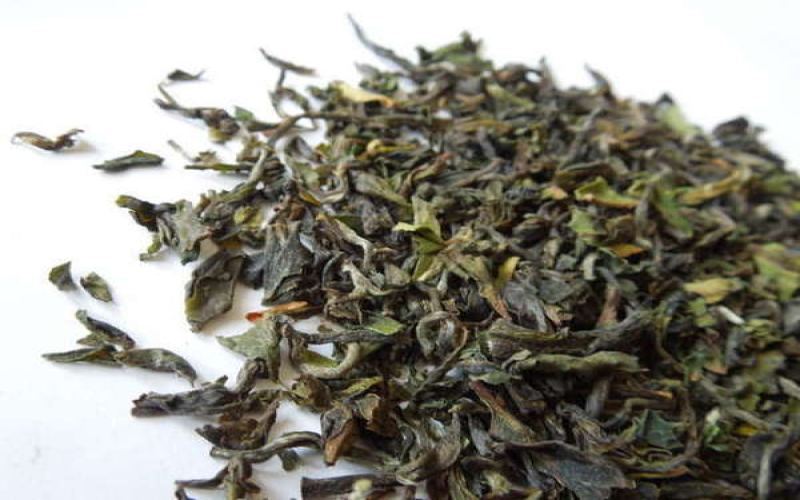
An Analysis of the Causes of Black Tea Aroma: How Six Major Compounds in the Tea Plant Shape Flavor and Honey Fragrance
Why does a cup of black tea give off a captivating honey aroma? Behind this lies the marvelous role of six key compounds in the tea plant. Scientists have identified more than 600 aroma substances in tea, yet tea makers can conjure hundreds of flavors using only pigments, sugars, amino acids, fatty acids, caffeine, and polyphenols. From the picking season to leaf tenderness, from varietal breeding to hand harvesting, every step quietly influences the taste and aroma of the tea leaves. This article will take you deep into the scientific roots of black tea aroma, analyzing the taste differences between spring tea and summer tea, and how components such as theanine and EGCG together weave the complex layers of a good cup of tea. Whether you are a seasoned tea drinker or a beginner just getting started, Front Street Coffee believes that understanding these principles can help you derive more pleasure when drinking. [more…]

How to Choose Beginner Pour-Over Coffee Beans? A Full Analysis of the Flavor Characteristics and Brewing Key Points of Six Major Regions
Want to step into the world of manual pour-over coffee? Choosing the right beans is the first step. This article begins with the origins of pour-over coffee and systematically outlines the flavor characteristics of six representative producing regions across three continents—Africa, the Americas, and Asia—covering Ethiopia Yirgacheffe, Colombia Huila, Brazil Cerrado, Costa Rica Tarrazu, Yunnan small bean, and Indonesia Mandheling, along with beginner recommendations based on Front Street Coffee's specific products. It also breaks down in detail the six key factors affecting pour-over extraction—bean freshness, grind size, coffee-to-water ratio, water temperature, pouring technique, and extraction time—helping coffee lovers build a clear brewing framework and quickly find the cup that suits them. [more…]
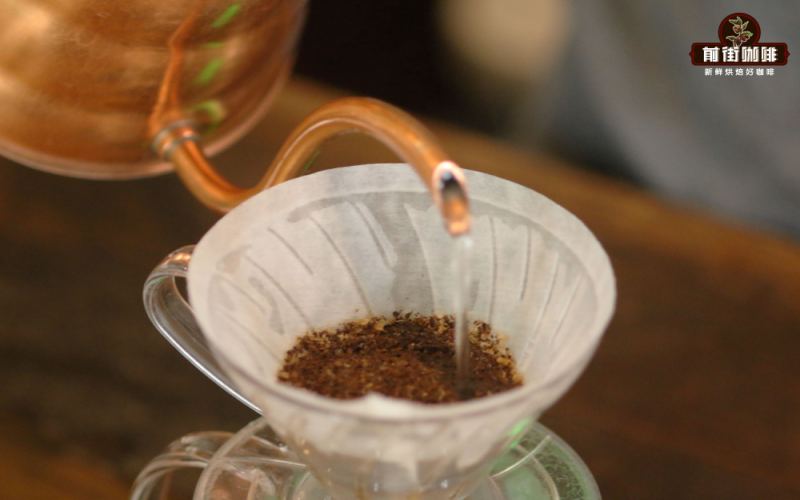
A Complete Guide to the Flavor Characteristics of Panama Aurora Estate Ironman Geisha and Pour-Over Parameters
Aurora Estate's Ironman Geisha has always been a legendary presence among Panamanian specialty coffees, and after winning the BOP championship in 2013, it gained extremely high attention in the Chinese market. The natural-process lot recently arrived at Front Street Coffee presents thick citrus, peach, and rose aromas, with a strong yet pure sweetness. This article will comprehensively sort out Aurora Estate's origin terroir, the naming origins and award history of Ironman Geisha, and, combined with actual cupping performance, provide a set of pour-over methods for light-roasted natural Geisha, including dripper selection, water temperature, coffee-to-water ratio, and pouring rhythm, to help you consistently extract this bean's floral-fruity character and juicy feel at home. [more…]
What makes Ethiopian Yirgacheffe coffee flavor so special? A full breakdown of the growing region, washed processing, and light-roast brewing
Yirgacheffe is where many coffee lovers begin their journey into the world of light-roasted specialty coffee, renowned for its bright, citrus-lemon acidity and elegant jasmine aroma. What exactly creates this signature flavor? Front Street Coffee breaks down the flavor code of Yirgacheffe step by step, from terroir and processing methods to roasting curves and brewing parameters. Ethiopia's high altitude and large day-night temperature swings allow coffee cherries to ripen slowly, accumulating more aromatic compounds; the washed processing technique introduced in 1972 restored the beans' pure intrinsic aromatics; and a medium-light roast perfectly preserves the lively fruit acidity. The article also includes a V60 three-pour brewing recipe recommended by Front Street Coffee's baristas, helping you recreate a classic cup of Yirgacheffe at home. [more…]

What Is Cascara Coffee Cherry Tea? A Complete Guide from Processing to Brewing Ratios and Strength Control
Besides the bean inside the coffee cherry that can release thousands of aromatic compounds after roasting, the peeled fruit skin can actually also be brewed and drunk. In Europe and America it is called Cascara, while in China it is often called coffee cherry tea. This article begins with the tissue structure of the fruit skin, the materials removed during green bean processing, and the old uses of the skin as fertilizer or waste, then traces back to the story of Salvadoran estate owner Aida Batlle, who accidentally discovered its sweet aroma after sun-drying and tried brewing it, explaining that Cascara in Spanish simply means skin and husk. It then introduces the production process of the skin, from peeling, sun-drying, and manually removing impurities to 4–5 days of drying and color-change monitoring, analyzes the flavor characteristics of the skin tea, which is almost only sweet, and provides Front Street Coffee’s practical reference for hot brewing at 94°C water temperature, 20g of skin with 400ml of water, and a 1:20 ratio, as well as key points such as cold brew and specialty drinks, and caffeine being only one quarter that of coffee. [more…]
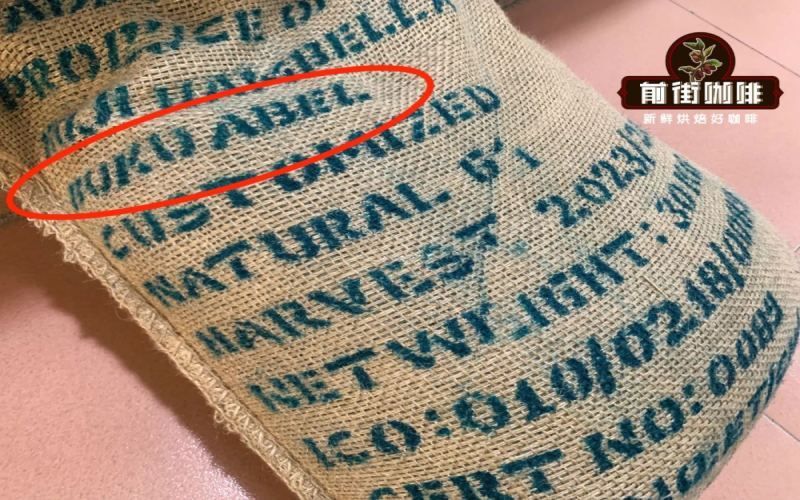
Comparing the Flavors of Huakui and Geisha: Taste Differences and Brewing Tips for Ethiopian Natural Heirloom and Panama's Famous Variety
Huakui and Geisha are often compared, as both attract attention for their floral aromas and fruity acidity. Front Street Coffee's Huakui coffee beans come from the Buku Abel processing station in Hambela, Guji region, Ethiopia, and are sun-dried, presenting juicy notes of peach, passion fruit, and mango; Geisha is a variety originating from Ethiopia's Gesha Mountain and later gaining fame in Panama, known for its white floral notes, citrus acidity, and tea-like sweet finish. This article will sort out what exactly differs between Huakui and Geisha from aspects such as origin background, varietal differences, processing method influence, flavor cupping, and brewing parameters, and provide the commonly used pour-over recommendations from Front Street stores, helping you more clearly choose the cup that suits your taste. [more…]
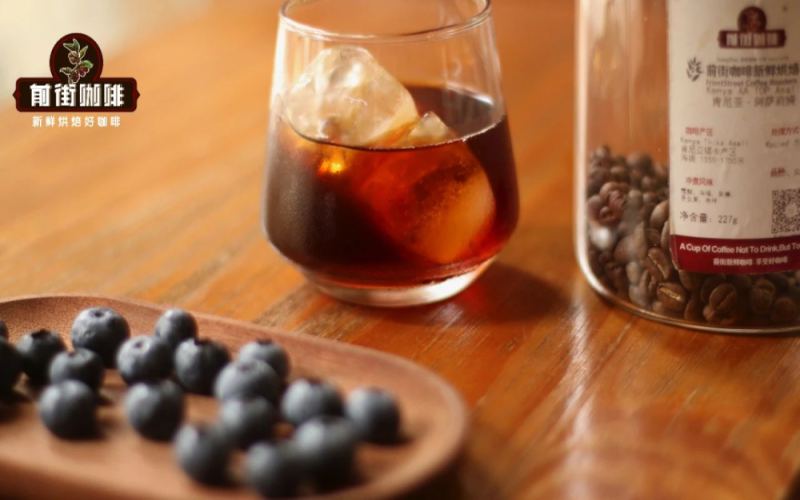
Berry Tea-Like Flavor Coffee Bean Recommendations | How to Brew Ethiopian Washed Gedingding for the Best Taste? Which Coffee Varieties Have Distinct Berry Flavors?
The term "berry" does not refer to a single specific fruit, but rather broadly denotes a category—all small, juicy fruits. However, unlike tropical fruits, berries have their own separate category in the new coffee flavor wheel released by the SCA in 2016. The berry category in the flavor wheel includes strawberry (Strawberry [more…]
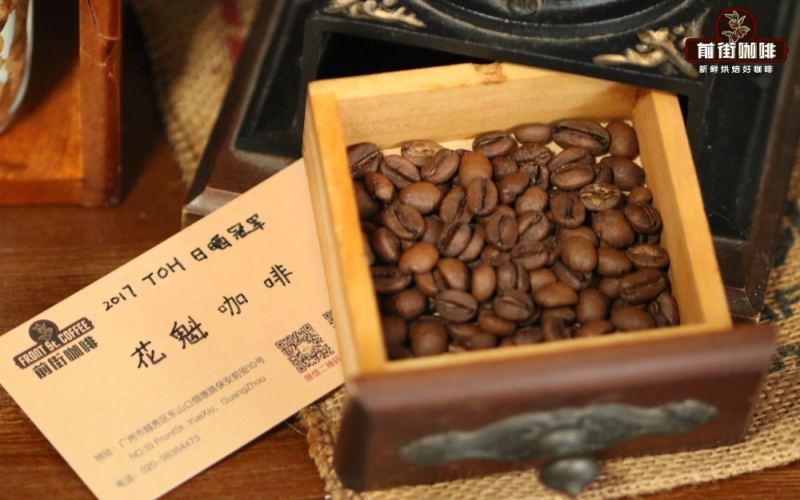
Flavor Analysis of Huakui Coffee: Taste Differences from Geisha Variety and Pour-Over Parameter Comparison
Huakui and Geisha—one is a sun-dried heirloom variety from the Guji region of Ethiopia, the other a legendary variety from Hacienda La Esmeralda in Panama. Both are renowned for their floral aroma and fruity acidity, yet each has its own distinctive character. Starting from the origin background and sun-drying process of Front Street Coffee's Huakui coffee beans, this article takes an in-depth look at the core differences between Huakui and Geisha in terms of variety characteristics and flavor expression, and includes the pour-over parameters and tasting notes for two of Front Street's regular beans, helping coffee lovers clarify the flavor profiles of these two beans. [more…]
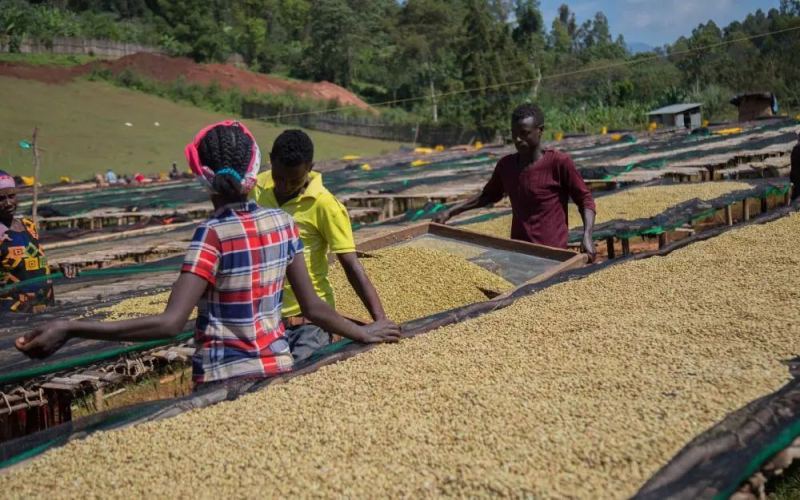
Ethiopia Guji Region Coffee Flavor Analysis: Hambela, Shakiso, Uraga Sub-regions and Huakui Bean Characteristics
Guji is the second specialty coffee region in Ethiopia to become independent from Sidamo after Yirgacheffe, and it quickly rose to fame in just over a decade thanks to its highly recognizable regional flavors. Guji has complex terrain and deep volcanic soil, and its high altitudes and significant day-night temperature differences together create a rich array of aromatic compounds. Its sub-regions such as Hambela, Shakiso, and Uraga each have their own characteristics: Hambela is the birthplace of "Huakui," Shakiso is known for its lemon-honey profile, and Uraga stands out for its tea-like body and floral-fruity aroma. Front Street Coffee's Huakui comes precisely from naturally processed beans in the core Hambela production area. This article will provide a complete analysis of the flavor code of Guji coffee, from regional divisions and terroir conditions to processing methods and brewing parameters. [more…]

A Comprehensive Analysis of the Flavor, Processing Methods, and Pour-Over Grinding Parameters of Coffee Beans from the Guji Zone in Sidamo, Ethiopia
Sidamo and Guji Hambela are star origins that cannot be overlooked on Ethiopia's specialty coffee map. From the perspective of Front Street Coffee, this article systematically reviews Sidamo's cultivation models, variety characteristics, processing method evolution, and the origins of its name, with a focus on introducing the origin background, sun-dried processing details, and cupping flavor performance of Front Street Sidamo Huakui coffee beans. The latter part of the article focuses on pour-over practice, sharing in detail the grinding setting, water temperature selection, coffee-to-water ratio, and three-stage pouring plan for Front Street Huakui 8.0, helping coffee lovers recreate at home a cup of Ethiopian sun-dried coffee with rich layers and full fruit aromas. [more…]
What are the flavor differences between Wudong Dancong and Phoenix Dancong? Price trends and cost per catty explained
Wudong Dancong and Fenghuang Dancong both belong to the Fenghuang Mountain tea region, yet due to differences in altitude, soil, and cultivation methods, they present distinctive aromas and flavors. This article approaches from the perspectives of aroma types, mountain terroir, and tea tree cultivation, sorting out the flavor differences between the two, and answering why Wudong Dancong is relatively expensive and what budget is roughly needed per catty. At the same time, combined with Front Street Tea's recommendations, it helps coffee and tea enthusiasts more clearly understand the quality logic and brewing key points of Dancong tea. [more…]
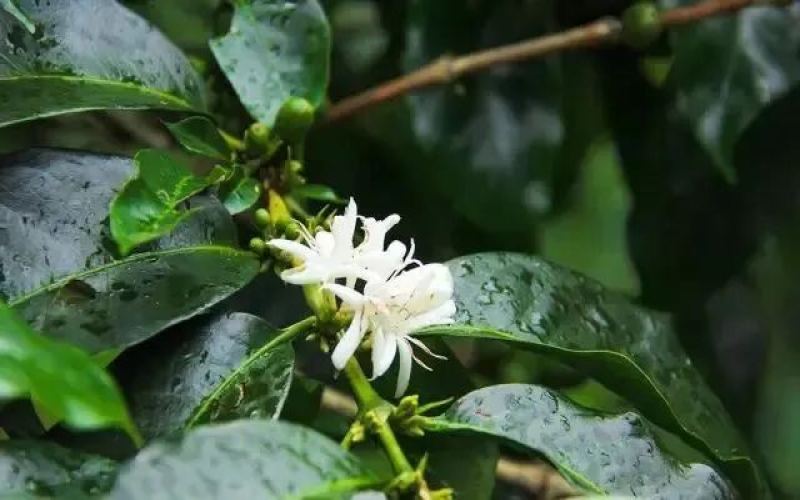
Specialty Coffee Variety Geisha | Is Panama the birthplace of Geisha coffee beans? What are the characteristics of Geisha? Light roast premium hand-brewed single-origin beans
Geisha refers to a coffee variety that originated in Ethiopia, the birthplace of coffee. After continuous selection, it made its way to Central and South America, rose to fame in Panama in 2004, and became hugely popular in the consumer market due to its signature flavor. Geisha green beans are slender in shape, and the roasted beans have strong fruity aroma characteristics, accompanied by [more…]
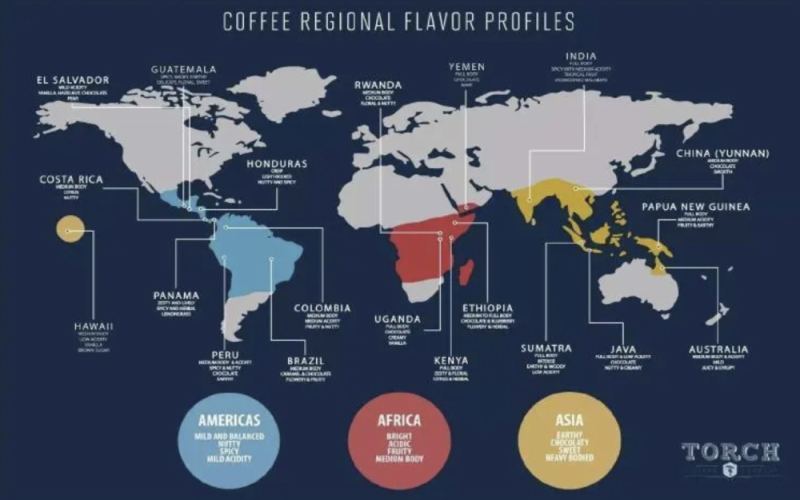
Global Coffee Bean Producing Regions Explained: An Overview of Coffee Belt Climate Characteristics and Flavor Differences Across Three Continents
The growth of coffee trees has strict requirements for the natural environment. The world's major coffee-producing regions are concentrated in a narrow strip between the Tropic of Cancer and the Tropic of Capricorn, known in the industry as the Coffee Belt. This region spans Africa, Central and South America, and Asia, with an average annual temperature above 20 degrees Celsius, warm weather year-round, frost-free winters, abundant sunshine, and ample rainfall, providing ideal growing conditions for coffee trees. Even coffee of the same variety, when grown in different countries or regions, can present completely different flavors in the cup—differences in altitude, climate, and soil give each bean its own unique regional imprint. Front Street Coffee has repeatedly verified this pattern in daily cupping sessions. Starting from the characteristics of producing regions across three continents, this article will sort out their respective flavor trends and representative coffee beans. [more…]

Sidamo Natural Flower Kui | What are the characteristics of the Sidamo coffee-producing region in Ethiopia? What are the flavor characteristics of Flower Kui coffee beans?
The flavor of Front Street Ethiopian coffee beans is world-famous for its elegant floral notes, citrus, lemon, and tropical fruit aromas, along with a fruity tea-like mouthfeel. It is often the first-choice region for specialty coffee fans, especially Yirgacheffe and Sidama. So in this article, Front Street will introduce you to a famous Ethiopian coffee region—Sida [more…]
Sidamo Guji Huakui 8.0 Pour-Over Parameters in Detail: A Comprehensive Analysis of Ethiopian Coffee Varieties and Regions
Ethiopia, as the birthplace of Arabica coffee, has won over countless coffee lovers with its elegant floral aromas and rich fruity notes. Among its regions, Sidamo is renowned for its full-bodied sweetness and complex layers, and Front Street Coffee's Sidamo Huakui 8.0 is a standout among natural-process beans. This article will systematically introduce Ethiopia's coffee cultivation models, variety naming, the relationship between Sidamo and Sidama, and focus on sharing the pour-over extraction parameters and three-stage pouring technique for Huakui 8.0, helping you reliably recreate its rich berry flavors at home. [more…]
Ethiopia Sidamo Coffee Pour-Over Guide: Hunkute 8.0 Brewing Parameters and Flavor Analysis
Ethiopia, as the birthplace of Arabica coffee, has captured the hearts of many coffee lovers with its elegant floral aromas and citrus fruit notes, with the Sidamo and Yirgacheffe regions standing out in particular. From the perspective of Front Street Coffee, this article systematically reviews Ethiopia's coffee cultivation models and variety characteristics, delves into the historical origins behind the names Sidamo and Sidama, and focuses on how natural processing imparts coffee with fuller sweetness and fermented aromas. It then takes Front Street Coffee's Huakui 8.0 from the Guji Hambela region as an example, sharing a complete, replicable pour-over recipe—from grind size, water temperature control, and dripper selection to a three-pour technique—to help you consistently brew a rich layering of berry and cream flavors at home. [more…]

Sidamo Natural Diamond Coffee Beans | What Are the Cultivation Characteristics of Ethiopian Coffee Regions? How Do You Brew Sidamo Guji Hambela Diamond to Bring Out Its Fruity Flavors?
The flavor of Front Street Ethiopian coffee beans is world-renowned for its elegant floral notes, citrus, lemon, and tropical fruit aromas, along with a fruity tea-like mouthfeel. It is often the region of choice for specialty coffee fans, especially Yirgacheffe and Sidama. So in this article, Front Street will introduce you to a famous Ethiopian coffee region—Sidama. [more…]
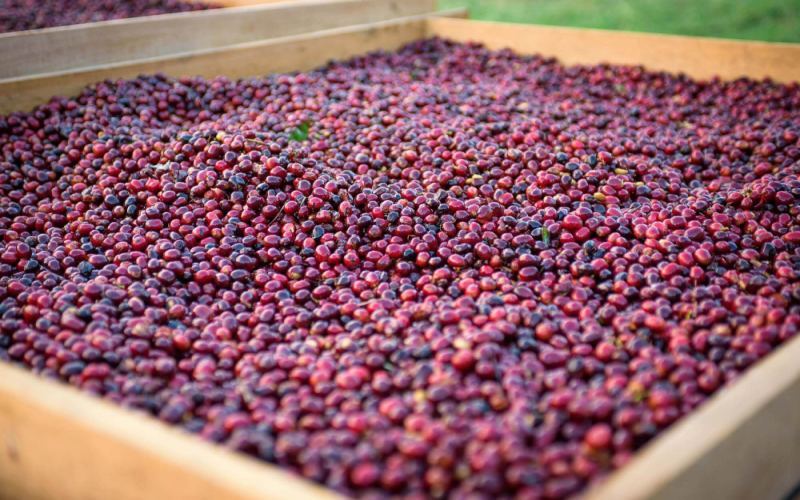
Panama Aurora Estate Geisha Coffee Flavor Analysis and Detailed Pour-Over Parameters Guide
Panama's Aurora Estate Geisha coffee has repeatedly won championships in BOP competitions thanks to its outstanding quality, with the 2013 Washed Ironman Geisha and the 2016 Natural Camilina Geisha being particularly remarkable. Front Street Coffee provides an in-depth analysis of Aurora Estate's growing environment, processing methods, and flavor characteristics, and shares the complete pour-over parameters and brewing suggestions for this Natural Geisha. The article also introduces the background story of estate owner Robert Brenes, and how Aurora Estate stood out amid Panama's Geisha boom. Whether you are a Geisha enthusiast or a pour-over player, you can gain practical coffee knowledge and brewing inspiration from it. [more…]